
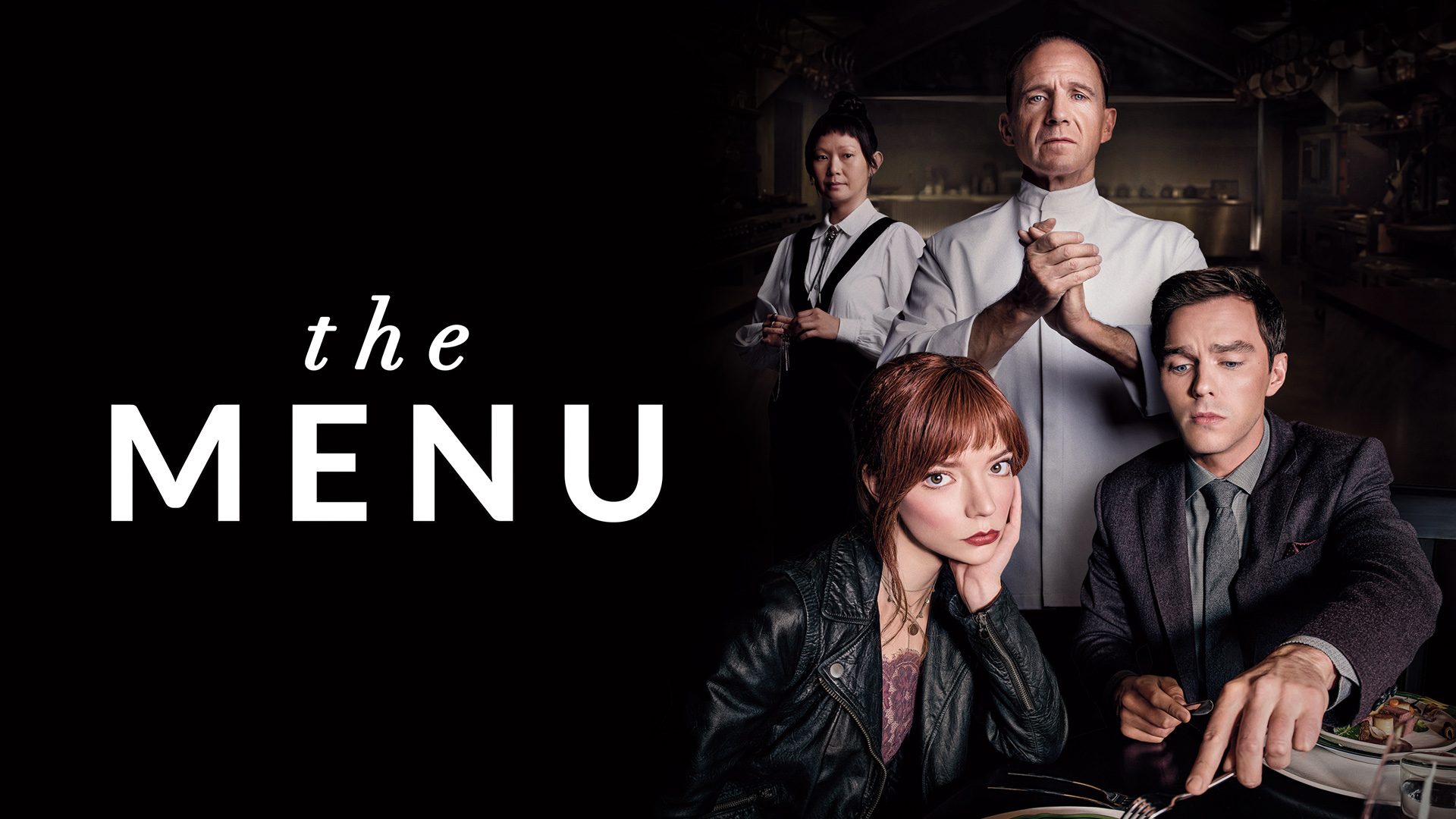
The Menu Shop: Inside the Film That Redefined Dinner Thrills
When the lights dimmed and the first course arrived, audiences didn’t just sit down to eat—they were pulled into a meticulously crafted culinary nightmare that turned a simple dinner into a high‑stakes thriller. The film’s unique blend of satire, suspense, and gastronomy has sparked endless conversations about how we experience food on screen. In this deep dive, we explore the making of The Menu Shop, uncover the secrets behind its unforgettable set pieces, and examine why it has become the benchmark for dinner‑centric cinema.
The Menu Shop: Concept and Premise
The story begins with an exclusive, invitation‑only restaurant where an eccentric chef promises an unforgettable tasting menu. What starts as a gourmet adventure quickly spirals into a psychological game, with each dish revealing dark truths about the diners and the society they represent. This premise taps into our primal fear of the unknown—especially when that unknown is served on a silver platter.
From the outset, the screenplay treats the menu like a storyboard, each course acting as a narrative beat. This structure lets the film explore themes of class, control, and consumption while keeping viewers on the edge of their seats. The clever interplay between culinary art and terror sets The Menu Shop apart from typical horror or thriller formulas.
Behind the Scenes: Production Design and Food Styling
Creating the visual feast required a collaboration between seasoned set designers, culinary consultants, and special effects artists. The restaurant interior was built from the ground up, featuring sleek, minimalist lines that contrast sharply with the grotesque dishes served. Every utensil, lighting cue, and table arrangement was meticulously planned to heighten tension.
The food itself became a character. Real chefs prepared elaborate plates that looked both beautiful and unsettling, while edible props were crafted to safely simulate more extreme moments. The result is a series of images that linger in the viewer’s mind long after the credits roll, proving that a well‑styled dish can be just as terrifying as any jump scare.
Thematic Depth: Food as Metaphor for Power and Control
Beyond the surface thrills, The Menu Shop uses dining as a metaphor for societal power dynamics. The chef’s absolute authority over the menu mirrors the way elites dictate cultural trends, while the diners’ willingness to submit reflects our own complicity in systems that serve us curated experiences. Each course forces characters—and the audience—to confront uncomfortable truths about desire and obedience.
By layering commentary on consumerism with visceral visual storytelling, the film invites viewers to question what they are really consuming, both on and off the plate. This layered approach transforms a simple dinner scenario into a thought‑provoking critique of modern life.
Impact on Dinner Entertainment and Cult Following
Since its release, The Menu Shop has inspired pop‑up dining experiences, fan‑made recipe recreations, and even academic discussions on food theory in cinema. Restaurants have attempted to emulate the film’s atmosphere, offering multi‑course experiences that blend suspense with gastronomy. The ripple effect shows how a single story can reshape an entire niche of entertainment.
Online forums buzz with theories about hidden symbolism in each dish, while social media users share their own “menu” recreations, turning the film into a participatory event. This cult following demonstrates the power of a well‑crafted narrative to extend beyond the screen and into real‑world experiences.
In conclusion, The Menu Shop has redefined what it means to watch a film about dinner. By marrying meticulous production design, rich thematic content, and a daring premise, it has set a new standard for culinary thrillers. Whether you’re a film enthusiast, a food lover, or simply someone who enjoys a good mystery, the movie offers a banquet of ideas worth savoring again and again.